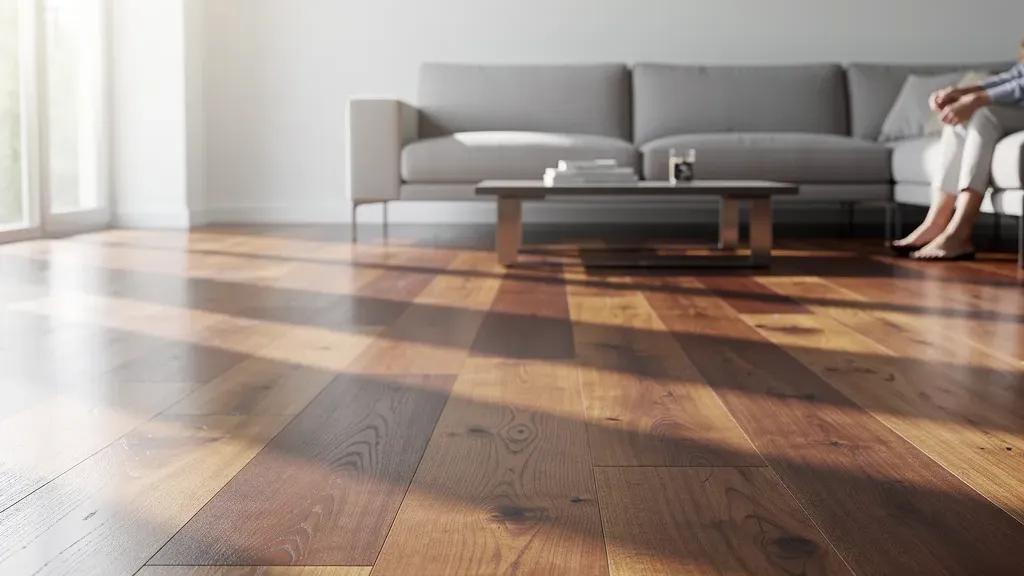
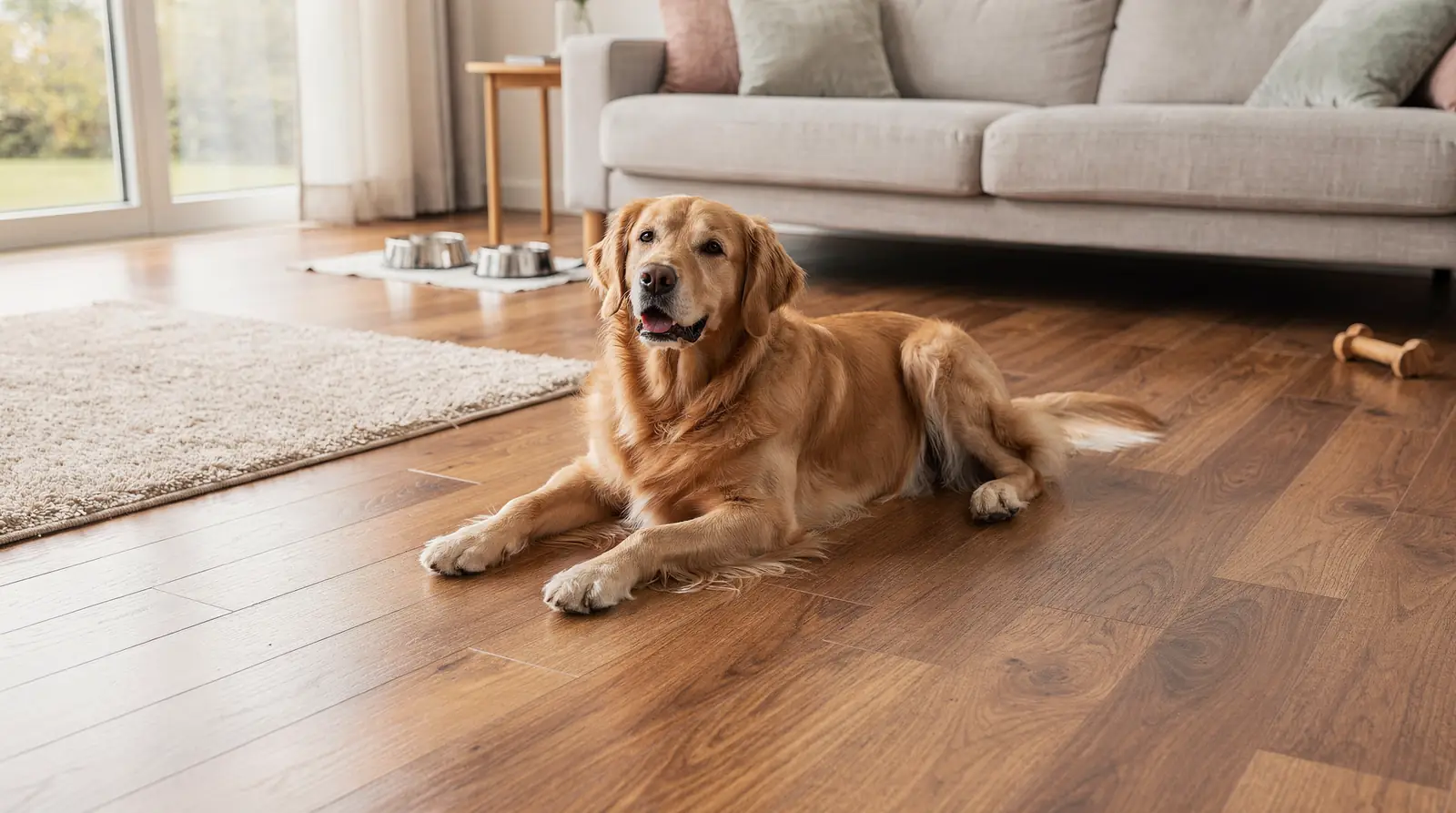
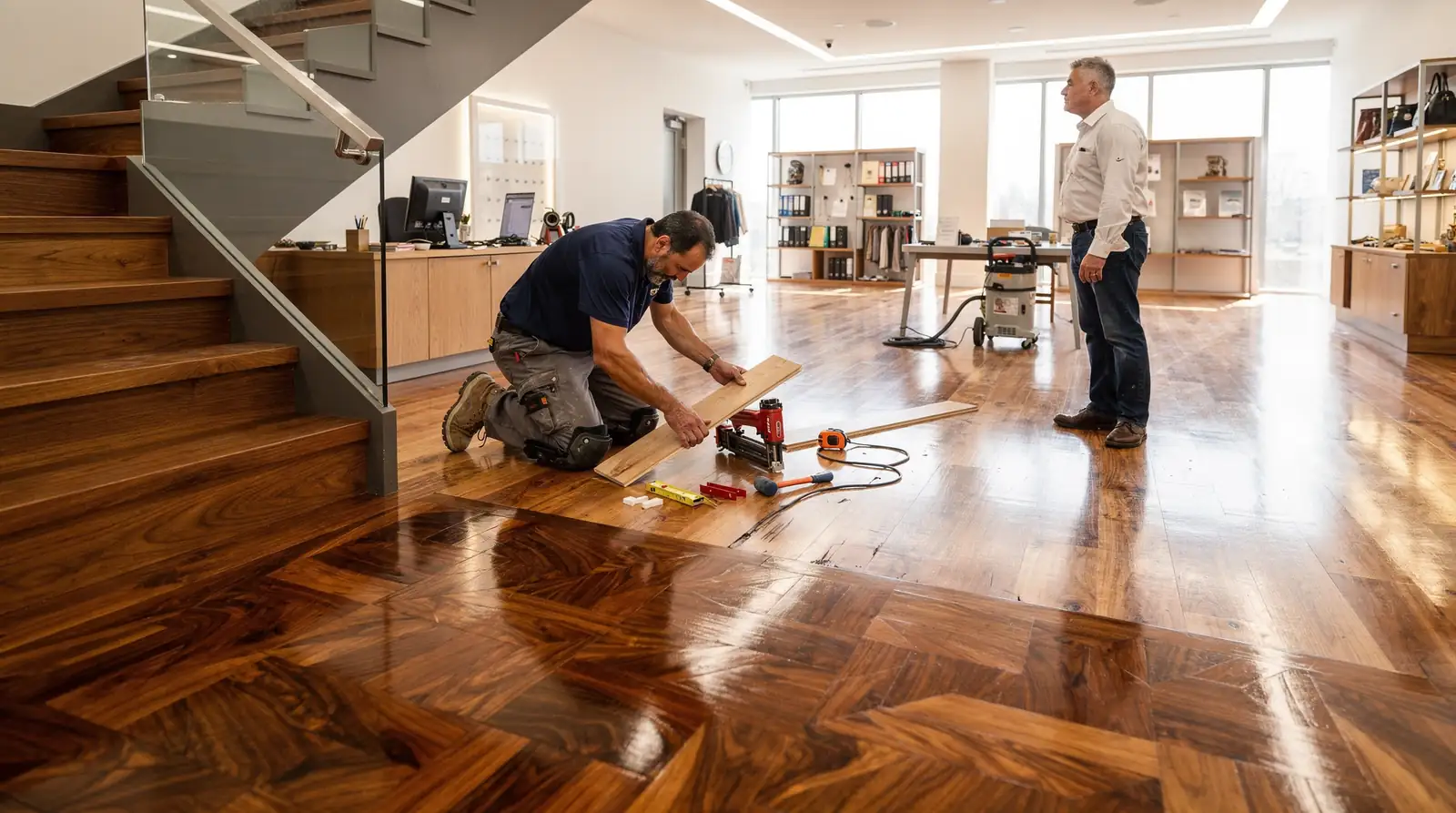
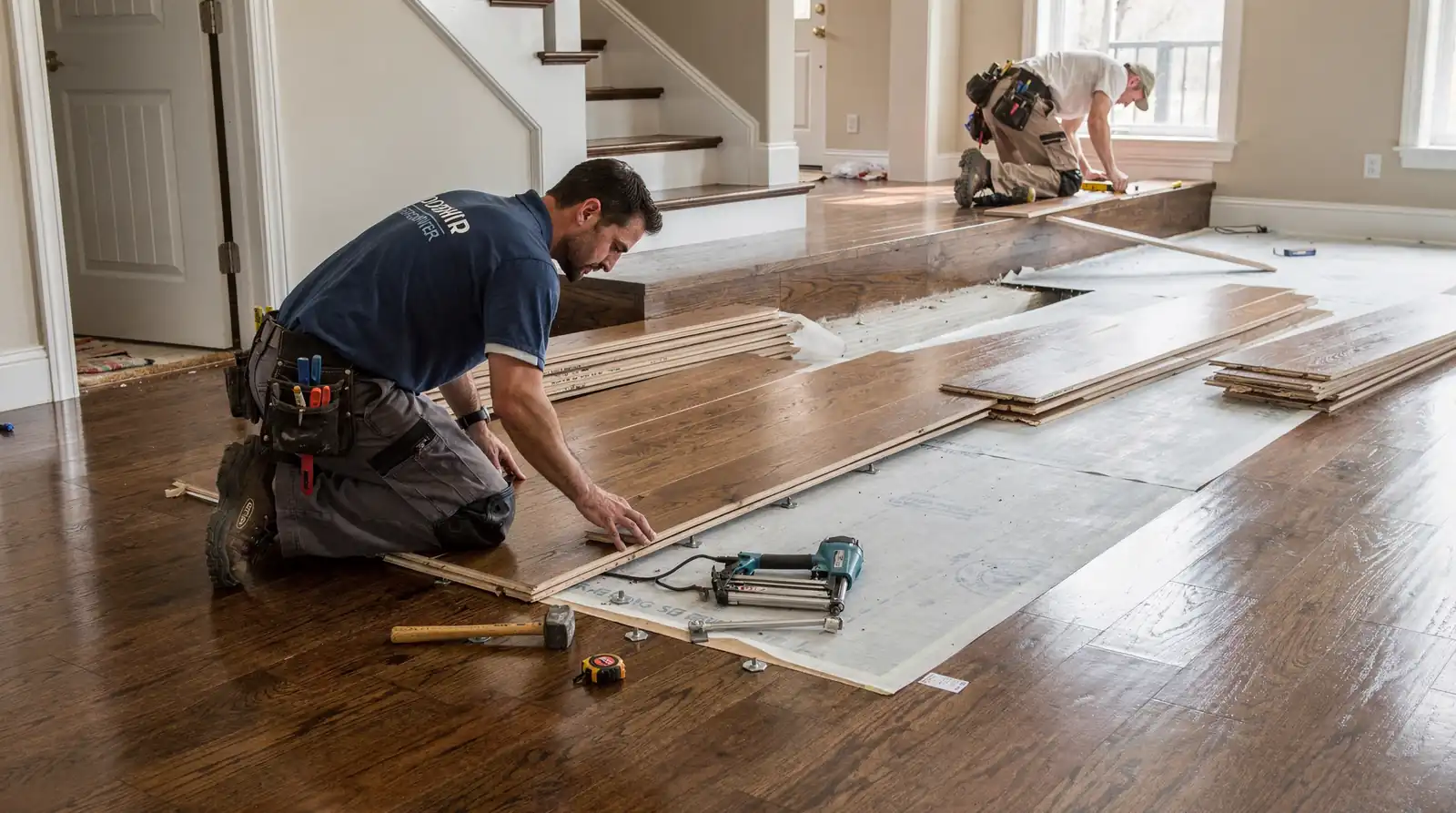
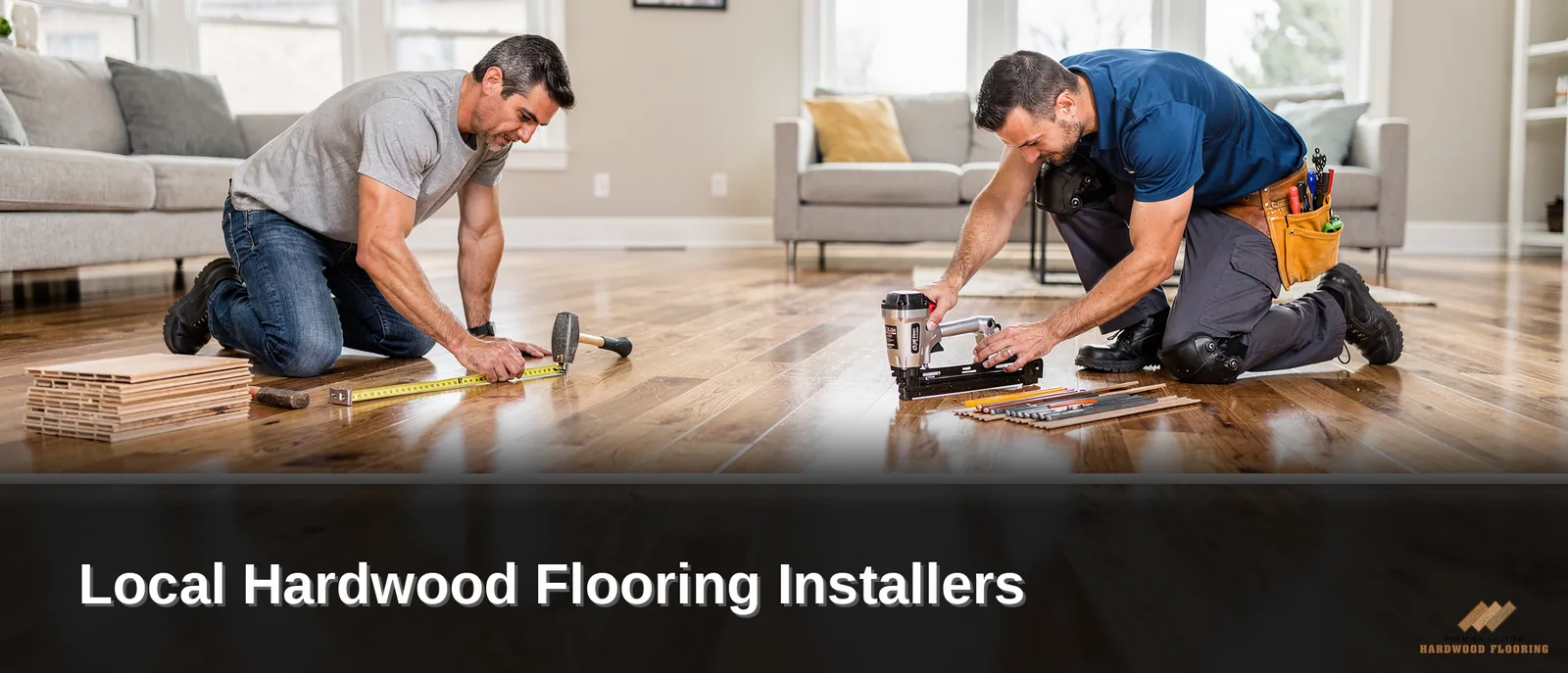
Hardwood durability stems from dense wood species, quality construction, and professional installation methods refined over 40 years of craftsmanship. Factory-applied finishes strengthened with aluminum oxide resist scratches and wear far longer than laminate or vinyl surfaces. Solid wood also tolerates sanding and refinishing multiple times, extending lifespan decades beyond synthetic alternatives that wear out and require full replacement.
Key Takeaways
Solid hardwood’s dense wood structure resists dents and wear better than laminate or vinyl alternatives.
Factory-applied finishes with aluminum oxide strengthen scratch resistance and extend floor lifespan significantly.
Engineered hardwood’s cross-grain plywood core prevents warping from moisture and temperature fluctuations effectively.
Proper installation with approved fasteners at correct spacing ensures hardwood floors last 25+ years.
Why Does Real Hardwood Outlast Other Flooring?
Real hardwood outperforms synthetic materials because craftsmanship, certified methods, and proper installation work together to protect the wood over decades, not just years. Premier Custom Hardwood Flooring brings over 40 years of disciplined, integrity-driven craftsmanship to every project, and that foundation supports long-term durability of different hardwood floors in ways laminate and vinyl simply cannot match.
What role does installation quality play in floor durability?
Installation quality determines whether a floor ages gracefully or fails early. As a Bona Certified Craftsman, the company applies clean, safe, and durable methods while minimizing disruption inside the home. Precise fastening, proper subfloor prep, and careful finishing all reduce the risk of warping, gapping, or premature wear.
Durability ranks among the top factors homeowners weigh when choosing hardwood over synthetic alternatives, and for good reason:
Real wood can be sanded and refinished multiple times, restoring its surface without replacement.
Certified finishing techniques protect against moisture, scratching, and daily foot traffic.
Quality installation prevents structural issues that shorten a floor’s lifespan.
Why does customer-focused service matter for long-term results?
Service quality shapes outcomes just as much as material choice. The company’s mission centers on exceptional customer service, paired with a vision to become the most trusted installer in the industry. That commitment means homeowners receive guidance built on decades of hands-on experience, not shortcuts that compromise a floor’s future.
What Makes One Hardwood Species More Durable?
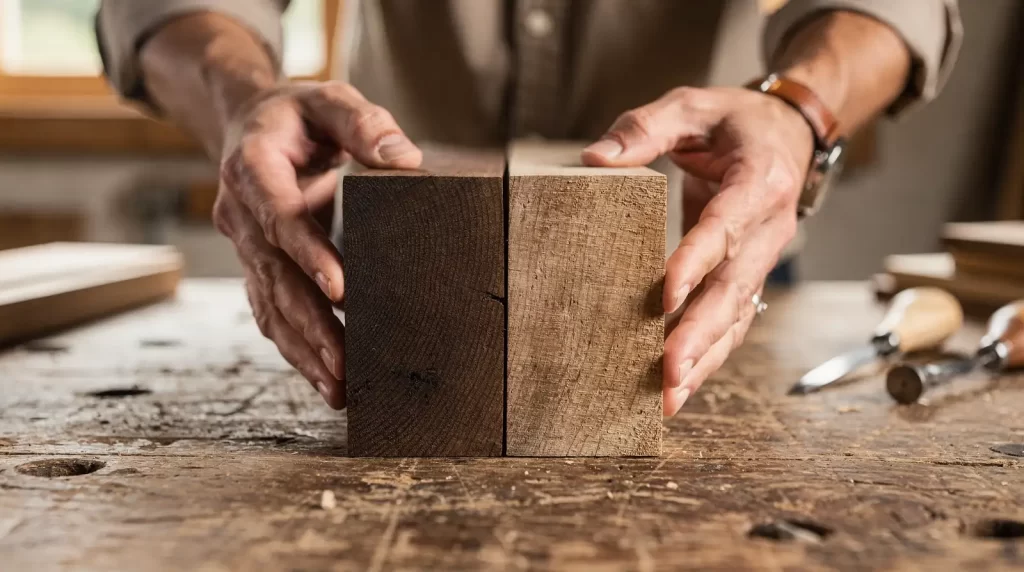
Species selection builds the foundation for how a floor resists dents, scratches, and daily wear. Density matters more than appearance. A floor chosen for looks alone often disappoints once furniture, pets, and foot traffic start leaving marks.
Hard species such as Hickory and White Oak handle heavy household use far better than softer woods like pine or walnut. Paired with a quality factory finish, these species cover most everyday durability needs without demanding special care. Construction type and room moisture level still factor into the decision, but species comes first.
Which Hardwood Species Holds Up Best Over Time?
Hickory and White Oak consistently rank among the toughest choices for busy homes. Their density resists dents from dropped kitchen tools, dog nails, and heavy furniture legs better than many alternatives. Softer species look just as attractive on day one, but they show wear years sooner under identical conditions.
Does Species Choice Still Matter If the Finish Is High Quality?
Finish quality protects the surface, but the wood underneath still determines long-term resilience. A durable species with an average finish typically outlasts a soft species with a premium one.
When older hardwood needs repair or replacement, matching species matters just as much as the original selection. Premier Custom Hardwood Flooring’s crews match discontinued flooring styles. A durable species already installed in the home stays visually consistent after repairs, protecting both appearance and long-term performance.
Is Solid or Engineered Hardwood More Durable?
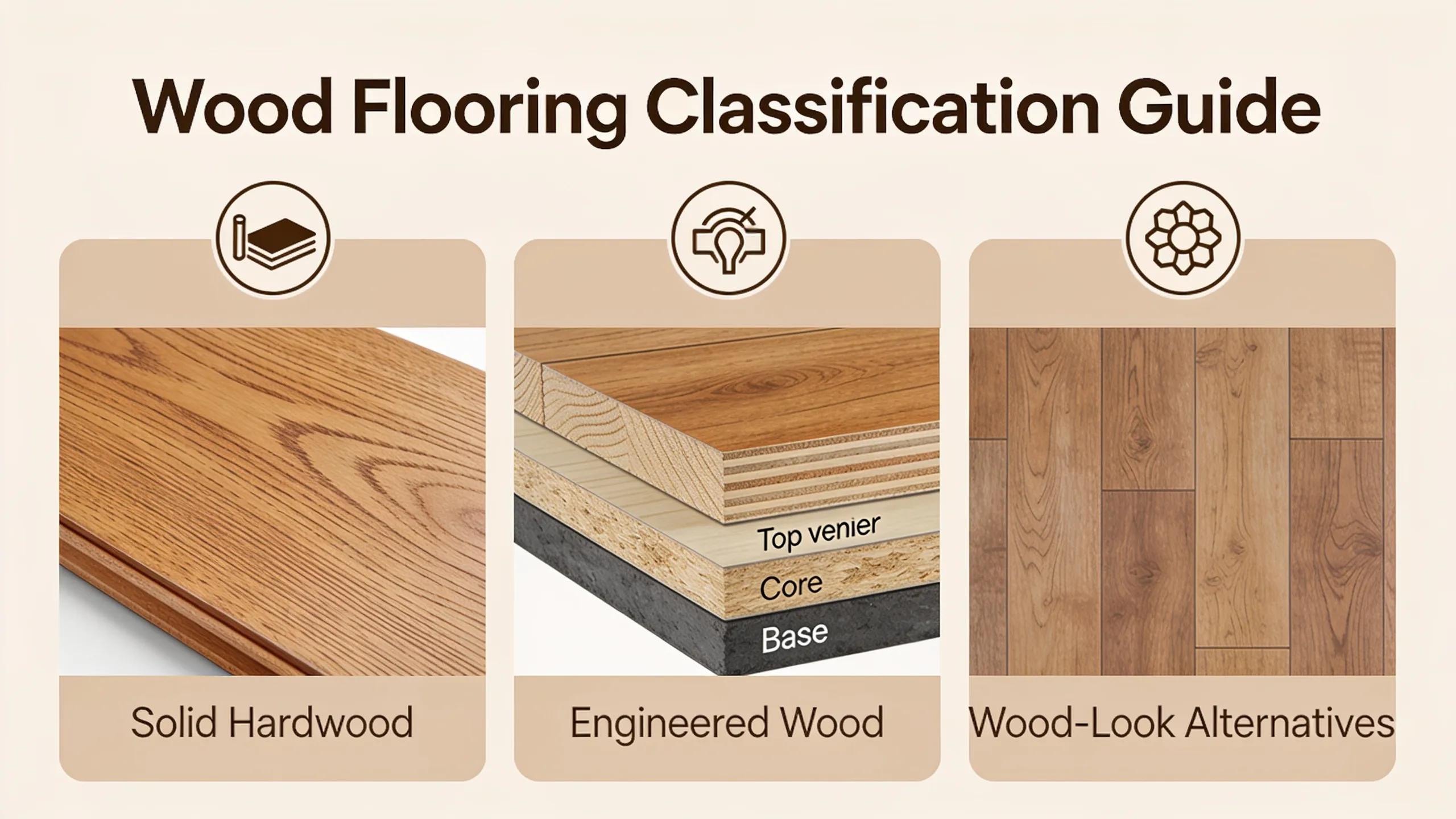
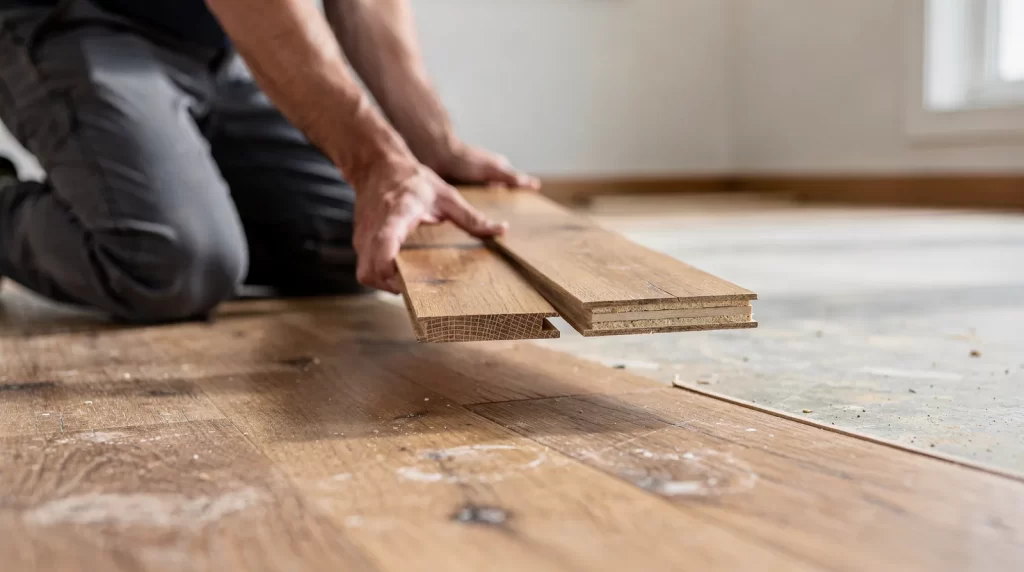
Solid hardwood planks, milled from a single piece of timber at roughly three-quarters of an inch thick, offer a straightforward construction built for repeated refinishing. Engineered flooring layers a hardwood veneer over a plywood or composite core, trading some of that refinishing depth for added stability in rooms prone to humidity swings. Neither category wins outright; each performs differently depending on the environment it’s installed in.
The durability of different hardwood floors comes down to more than category alone. Wood species hardness, subfloor conditions, and finish quality all shape how long a floor holds up under daily wear. Consider the tradeoffs:
Solid hardwood: single-piece construction, sands and refinishes multiple times over its lifespan
Engineered hardwood: layered core resists warping from moisture, but refinishing depth is limited by veneer thickness
Can Engineered Hardwood Be Refinished Like Solid Wood?
Refinishing engineered floors depends entirely on veneer thickness. Thinner veneers tolerate one light sanding at most, while thicker veneers come closer to solid wood’s refinishing lifespan. Solid planks, by contrast, generally support several rounds of sanding over the decades.
Premier Custom Hardwood Flooring installs brand-new solid wood floors and restores aging floors with equal attention to craftsmanship. Service extends across residential and commercial properties, covering new construction and occupied homes alike, with experience spanning both solid and engineered projects throughout the North West Suburbs of Chicago.
Does the Finish Really Protect Your Floor?
Finish matters, but it never works alone. A quality topcoat shields wood fibers from scratches and spills. The durability of different hardwood floors depends on more than what’s brushed on at the factory.
Many factory-applied finishes rely on aluminum oxide, a hard mineral compound baked into the coating for strong scratch and wear resistance. This technology explains why certain prefinished boards hold up well in busy households with kids and pets. The coating forms a dense barrier that resists everyday abrasion far better than older, softer sealants.
Still, a tough finish cannot compensate for poor installation or careless upkeep. Final performance hinges on three things working together:
The quality of the wood product itself
The skill of the installer
How the household uses and maintains the floor afterward
A beautifully finished plank installed poorly will fail early. A modest finish paired with careful installation and regular care often outlasts it.
Does a Thicker Finish Always Mean a Tougher Floor?
Not necessarily. Thickness helps, but the chemistry and application method matter more than sheer volume. A well-cured, properly bonded finish outperforms a thick coat applied without proper technique.
Premier Custom Hardwood Flooring addresses this balance directly. The company applies GREENGUARD-certified waterborne finishes using Bona Certified methods, protecting both the floor’s surface and the home’s indoor air quality. That combination gives homeowners a finish built for longevity, backed by installation practices that support it rather than undercut it.
How Does Installation Quality Affect Floor Life?
Installation quality determines whether a hardwood floor lasts decades or fails within years. Poor fastening, rushed subfloor prep, and careless moisture control cause gaps, cupping, and premature wear long before the wood itself gives out. The durability of different hardwood floors depends as much on the crew installing them as on the species chosen.
Premier Custom Hardwood Flooring builds its reputation on disciplined methods refined over four decades. The company is licensed and insured. It relies on best-in-class materials so each floor is built to last rather than patched together for a quick turnaround.
Does a dustless installation process actually protect the floor?
Yes. A 99.8% dust containment system keeps job sites cleaner and safer while finishes cure, which protects the integrity of the seal. Dust trapped under a curing finish creates weak spots that wear unevenly over time, so controlling airborne particles during installation directly supports long-term floor performance.
Every project follows a structured sequence: consultation, pre-installation prep, installation, and post-installation review. This staged approach, rather than a rushed one-day job, catches subfloor issues and moisture concerns before they become permanent flaws. Each stage reinforces the next, which is why skipping steps shortens a floor’s working life.
Installation Factor | Effect on Longevity |
|---|---|
Dustless process with Bona GREENGUARD Gold certified products | Cleaner cure, stronger finish bond |
99.8% dust containment | Fewer trapped particles, smoother wear pattern |
Licensed, insured craftsmanship | Accountability and best-in-class materials |
Staged consultation-to-post-installation process | Fewer defects, consistent quality control |
A floor installed with precision and proper certification outlasts one installed in haste, regardless of species.
FAQ
What makes hardwood more durable than laminate or vinyl?
Dense wood species combined with factory-applied finishes strengthened with aluminum oxide resist scratches and wear far longer than synthetic surfaces. Solid wood tolerates multiple sandings and refinishing instead of full replacement.
How does professional installation improve hardwood durability?
Bona Certified methods ensure precise fastening, proper subfloor prep, and careful finishing, reducing warping, gapping, and premature wear while keeping installation clean, safe, and disruption-free.
Which hardwood species resist damage best in busy homes?
Hickory and White Oak rank among the toughest choices. Their density resists dents from dropped kitchen tools, dog nails, and heavy furniture legs better than softer woods like pine or walnut.
Conclusion
In closing, hardwood flooring’s durability stems from its natural density, timeless structural integrity, and capacity for refinishing, advantages that synthetic alternatives simply cannot match. When installed with precision and finished with quality products, hardwood floors withstand decades of daily use while maintaining their beauty. Premier Custom Hardwood Flooring’s Bona Certified methods. GREENGUARD-certified finishes ensure your investment delivers lasting performance and lasting value, backed by the disciplined craftsmanship that defines our 40 years of service.