Hardwood floor refinishing restores worn surfaces to improve appearance and extend service life. Many homeowners hire professionals who combine skilled workmanship with modern equipment to renew floors for both protection and visual impact. This article summarizes restoration techniques, compares refinishing with replacement, and offers guidance for choosing a qualified provider.
Key Takeaways
- Hardwood floor refinishing restores worn surfaces, enhancing appearance and extending floor lifespan effectively.
- Professional sanding with dustless systems improves indoor air quality and prepares floors for durable finishes.
- Choosing the right finish balances durability and aesthetics, with options like oil-based and water-based polyurethanes.
- Refinishing is more cost-effective and environmentally friendly than full floor replacement, preserving original wood beauty.
- Experienced contractors with transparent pricing and positive reviews ensure high-quality refinishing results.
- The refinishing process includes consultation, sanding, staining, and finishing to revitalize hardwood floors.
- Proper maintenance involves gentle cleaning, avoiding excess water, and using pH-neutral or eco-friendly products.
- Regular polishing and timely repairs maintain floor shine and prevent costly future damage.
- Obtaining multiple detailed quotes helps homeowners plan budgets based on floor condition, wood type, and project scope.
Expert Restoration Techniques
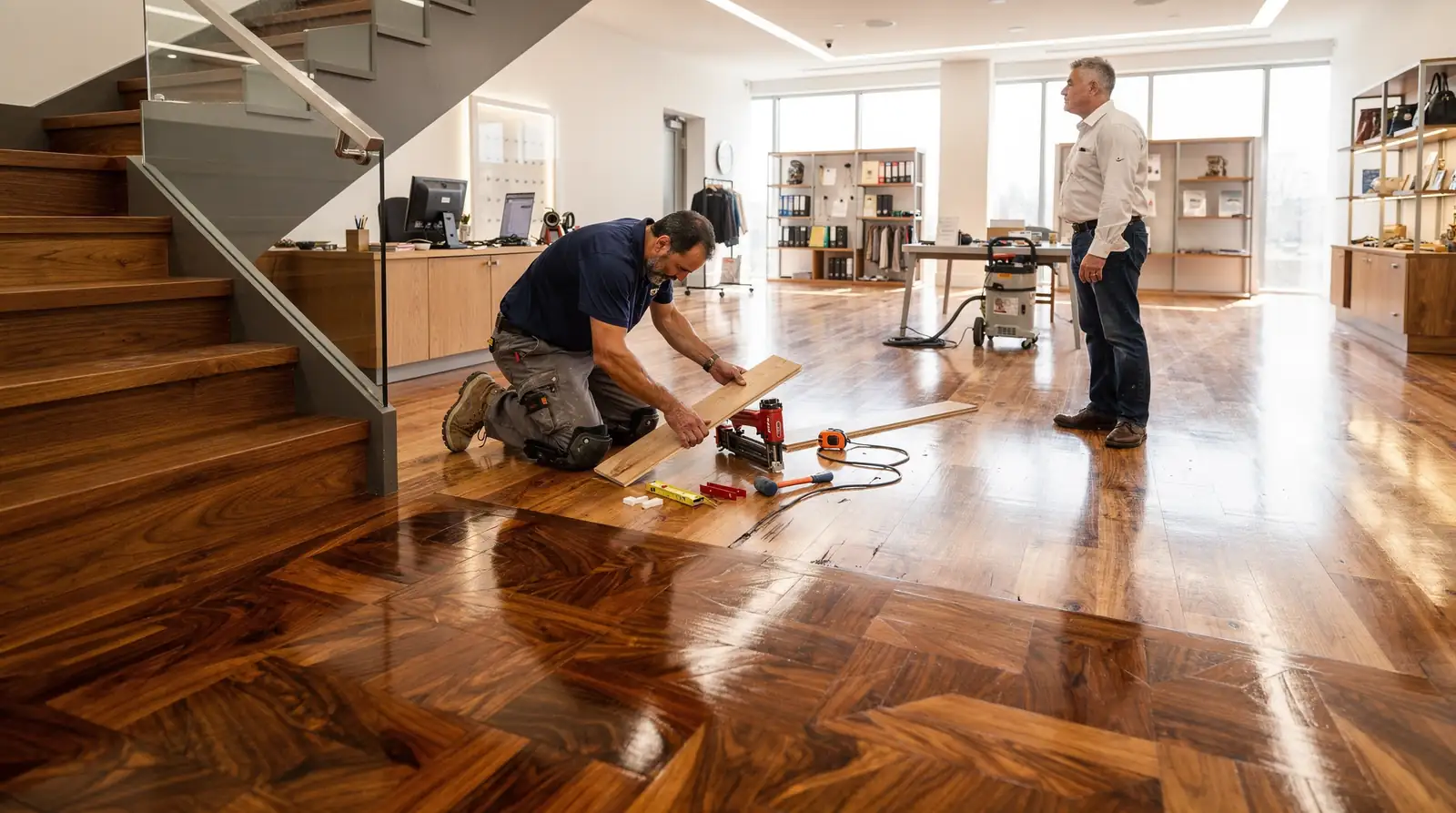
Experienced teams use multi-pass sanding to remove imperfections and prepare wood for finishing. Dustless systems such as Bona reduce airborne dust and help maintain indoor air quality, making the process less disruptive while improving durability.
Finishing Solutions
Choose a finish that balances durability and look. Oil-based polyurethanes give a warm, rich tone; water-based finishes offer lower VOCs and quicker drying. The correct finish protects the wood and preserves appearance for years.
Benefits of Refinishing Over Replacement
Refinishing is an efficient alternative to full replacement with several clear advantages:
- Cost-Effectiveness: Refinishing typically costs much less than new installation.
- Aesthetic Restoration: It restores original wood beauty and improves room ambiance.
- Increased Home Value: Well-maintained hardwood can raise property appeal and market value.
Overall, refinishing refreshes floors while avoiding the time, waste, and expense of replacement. Request a quote to compare options for your home.
Tips for Choosing a Service Provider
Select a contractor carefully; the right choice affects the final result. Key factors include:
- Experience and Certification: Verify credentials and past work to ensure quality.
- Transparent Pricing: Seek clear, itemized estimates with no hidden fees.
- Customer Reviews: Read testimonials to confirm reliability and satisfaction.
These checks help secure a successful refinishing project.
What Is the Hardwood Floor Refinishing Process and How Does It Revitalize Your Space?
The typical refinishing sequence includes:
- Initial Consultation: Assess floor condition and discuss design preferences.
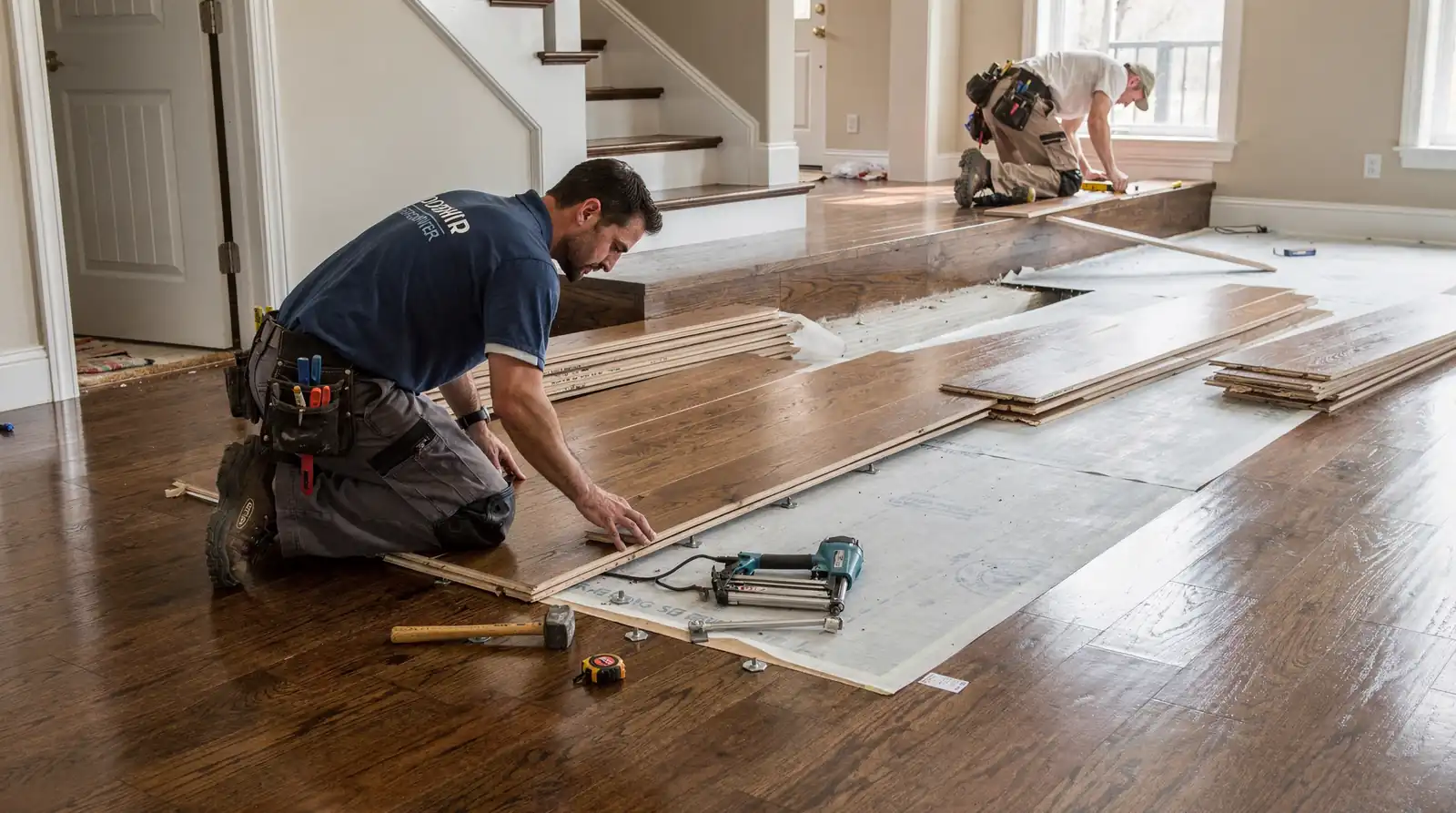
- Surface Preparation: Sanding removes old finishes and levels the surface.
- Staining and Finishing: Apply stain (if desired) and protective finish to enhance color and durability.
Executed in order, these steps restore appearance and improve long-term performance.
How Does Floor Sanding Prepare Wood Floors for Restoration?
Proper sanding—performed with professional sanders and buffers—removes old finishes and defects, creating a smooth substrate that ensures even stain absorption and finish adhesion for a consistent result.
What Are the Steps Involved in Staining and Applying Finish?
Staining and finishing follow careful stages:
- Selection of Stain: Choose a stain that achieves the desired color and complements your interior.
- Application Technique: Brush, roll, or pad-apply using methods that prevent streaks and ensure uniform coverage.
- Finishing Application: Apply a protective finish to preserve the wood and add durability.
Attention to each stage yields a durable, attractive floor.
What Are the Benefits of Choosing Hardwood Floor Refinishing Over Replacement?
Refinishing is often the preferred choice because it:
- Is Less Expensive than full replacement.
- Is Maintenance-Friendly, making floors easier to care for.
- Supports Environmental Goals by reducing waste and conserving resources.
These benefits make hardwood floor refinishing a practical option for many homeowners.
How Does Refinishing Increase Hardwood Floor Longevity and Aesthetic Appeal?
Quality finishes protect wood from wear and damage, preserving structural integrity and appearance. Professional refinishing helps floors remain beautiful and functional for many years.
What Value Does Floor Polishing and Repair Add to Your Hardwood Surfaces?
Regular polishing restores shine; timely repairs stop small issues from escalating. Routine upkeep sustains visual appeal and reduces the need for major work later.
How Can You Obtain Accurate Hardwood Floor Refinishing Pricing and Quotes Near You?
Obtain multiple quotes and compare proposals. Common cost drivers include:
- Floor Condition: More damage increases preparation time and cost.
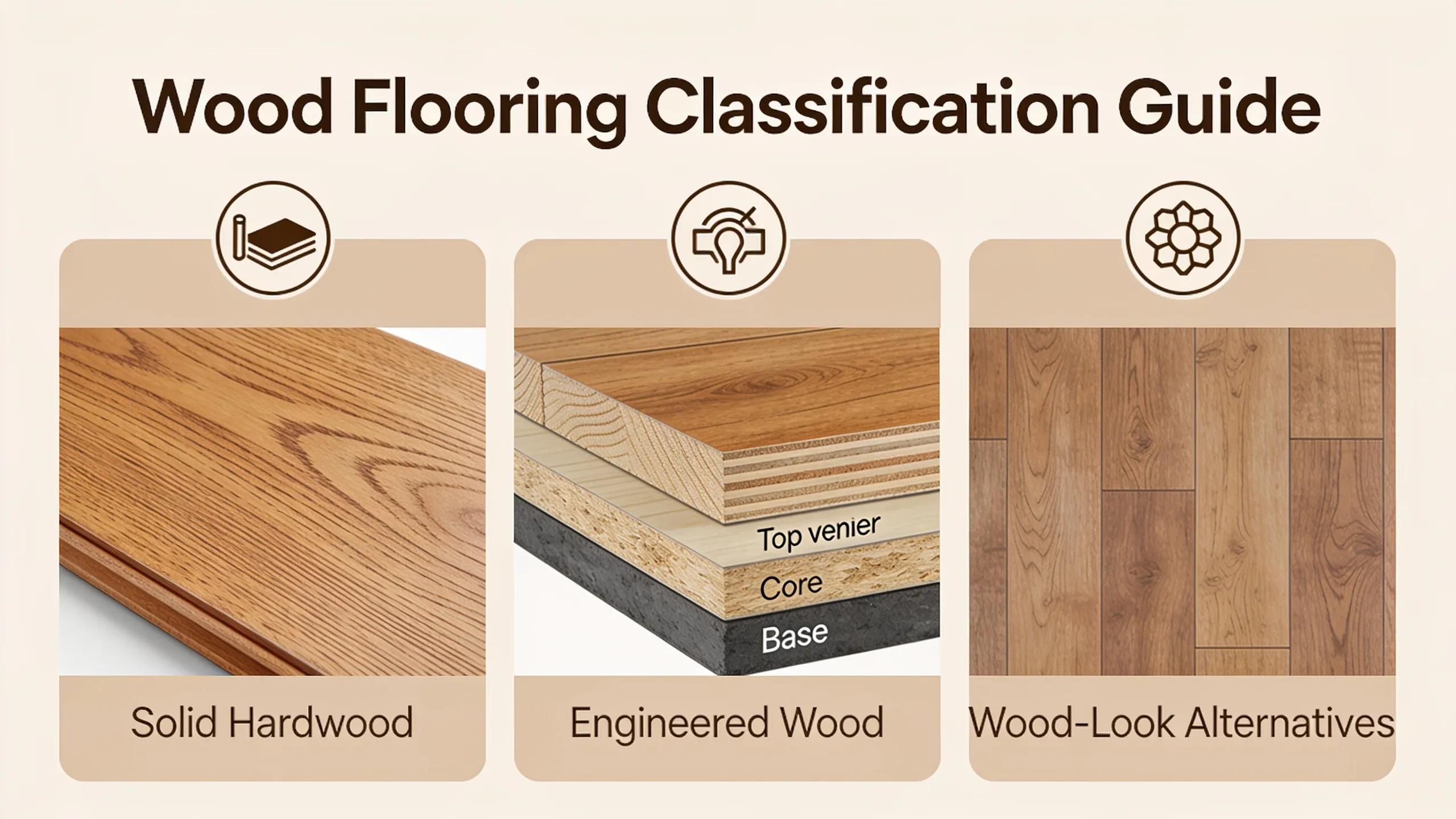
- Type of Wood: Some species require specialized products or techniques.
- Scope of Work: Larger or more complex projects raise labor and material needs.
Requesting several estimates helps ensure fair pricing.
What Factors Influence the Cost of Refinishing Services in the Northwest Suburbs?
Local cost factors mirror general drivers:
- Condition of Floors: Intensive repairs increase price.
- Type of Wood: Species-specific care can raise costs.
- Work Scope: Area size and complexity affect total expense.
Understanding these elements lets homeowners plan budgets more accurately.
How to Request a Detailed Quote for Custom Hardwood Floor Refinishing?
To get accurate, tailored quotes, provide clear project details such as:
- Floor Type and Condition: Note wood species and visible damage.
- Desired Outcomes: Describe the finish, stain color, and look you want.
- Timeline: State your start date and any deadline constraints.
Clear information yields more precise proposals from contractors. Request quotes to compare options.
What Are Best Practices for Maintaining and Caring for Refinished Hardwood Floors?
Maintain refinished floors with simple routines:
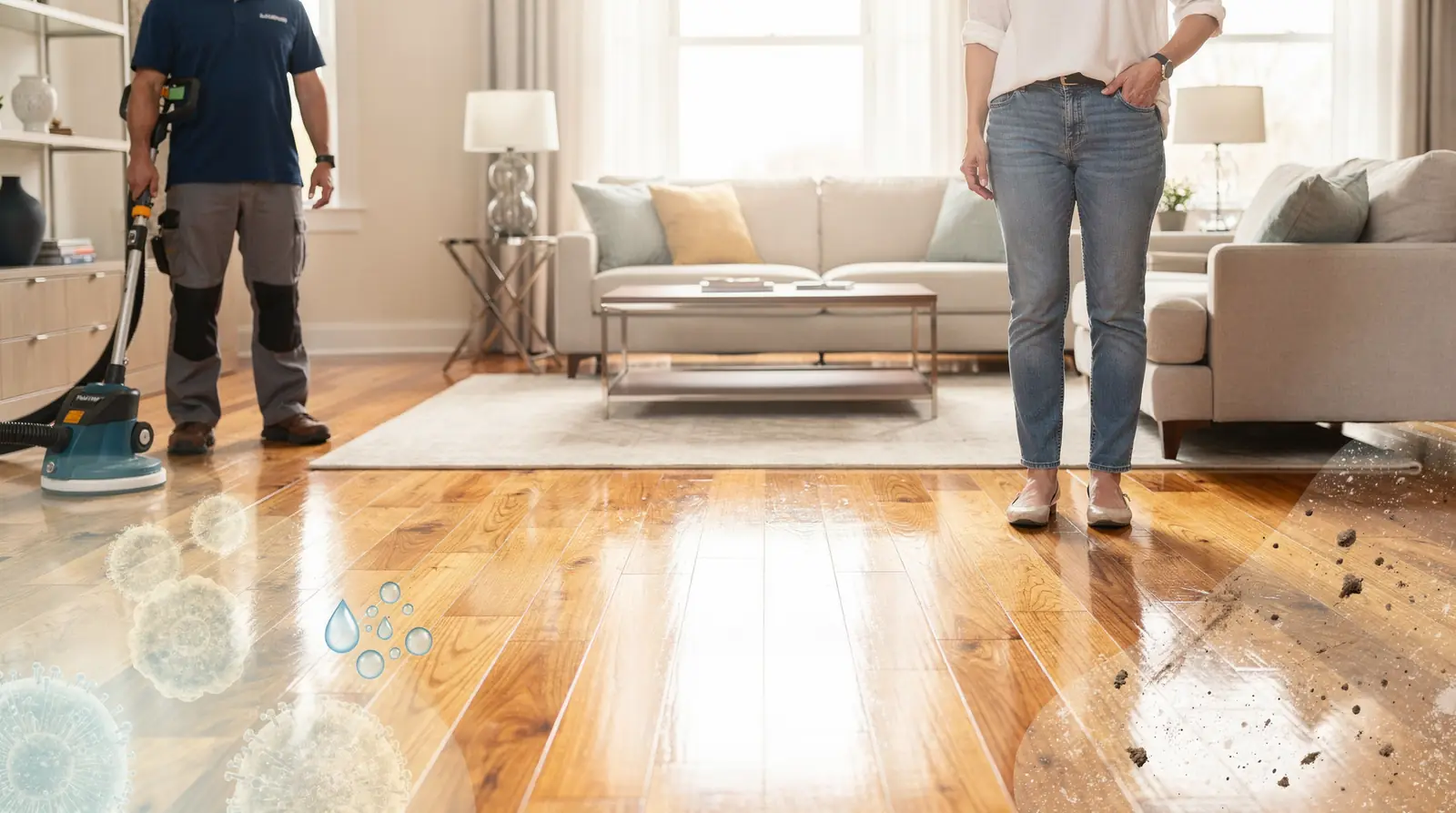
- Regular Cleaning: Sweep or vacuum gently to remove abrasive debris.
- Avoid Excess Water: Wipe spills promptly and use a damp, not wet, mop.
- Use Appropriate Products: Choose pH-neutral cleaners formulated for wood.
Consistent care extends finish life and keeps floors attractive.
How Do You Properly Care for Wood Floors After Refinishing?
Immediately after refinishing, limit traffic and heavy furniture until the finish cures. Maintain stable indoor humidity and plan periodic finish touch-ups in high-wear areas to prolong protection.
Which Eco-Friendly Products Are Recommended for Hardwood Floor Maintenance?
Consider greener options:
- Natural Oils to boost shine without harsh chemicals.
- Biodegradable Cleaners to reduce environmental impact.
- Plant-Based Finishes for lower toxicity and sustainability.
Eco-friendly products protect both floors and indoor air quality.
Frequently Asked Questions
How long does the hardwood floor refinishing process typically take?
What should I expect during the initial consultation for refinishing?
Are there any risks involved with refinishing hardwood floors?
Can refinished hardwood floors be stained a different color?
How often should I consider refinishing my hardwood floors?
What is the difference between refinishing and resurfacing hardwood floors?
What precautions should I take after refinishing my hardwood floors?
Conclusion
Hardwood floor refinishing revitalizes living spaces while offering a cost-effective, lower-waste alternative to replacement. Professional restoration paired with the right finish preserves beauty and durability. For tailored advice and pricing, consider requesting a quote to determine the best approach for your home.